The Marketplace Prep blog covers Amazon FBA operations as they look from a prep warehouse: inbound placement and split shipments, restock and capacity limits, IPI, placement fees and 2D barcodes. Marketplace Prep is an FBA prep center and DTC fulfillment warehouse in the Alliance area of Fort Worth, TX, and these articles are written for sellers who send their own inventory to Amazon.
Looking for step-by-step answers? Browse all FBA prep guides and services.
-
Amazon Restock Limits Are Back. Now What?

Updated September 2026: the ASIN-level blocks from April 2025 never went away. Amazon has since published a help page for them, added an exemption request, confirmed AWD transfers are blocked too, and separately cut account-level capacity limits. The original April 2025 write-up is below, with notes where things changed. Short answer: Restock limits are product-level…
· Updated -
Hidden Costs of Amazon Placement Fees
Short answer: An inbound placement fee is a convenience charge for sending your shipment to fewer locations, such as a minimal split. Amazon-optimized splits across more locations carry no placement fee. Amazon says you need at least five identical cartons or pallets per item to qualify, but the article notes that rule applies to the…
· Updated -
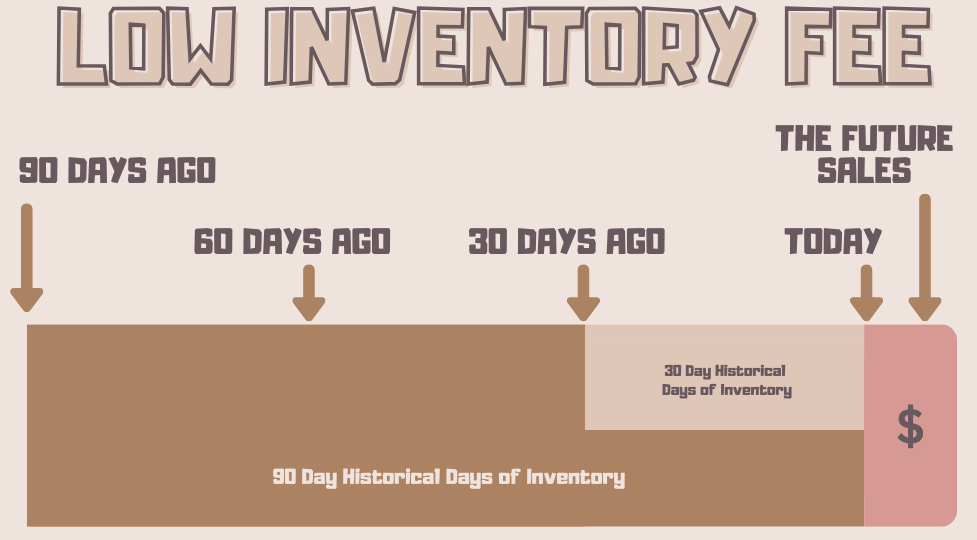
Low Inventory Fee Explained: How to Stock Around Amazon’s Fee

Updated September 2026: Amazon changed this fee on January 15, 2026. It is now calculated per seller-FNSKU instead of per parent ASIN, it now applies to Small Bulky and Large Bulky products, and Grocery is exempt. The 28-day threshold and the 30-day and 90-day tests did not change. Everything below is updated to match, and…
· Updated -
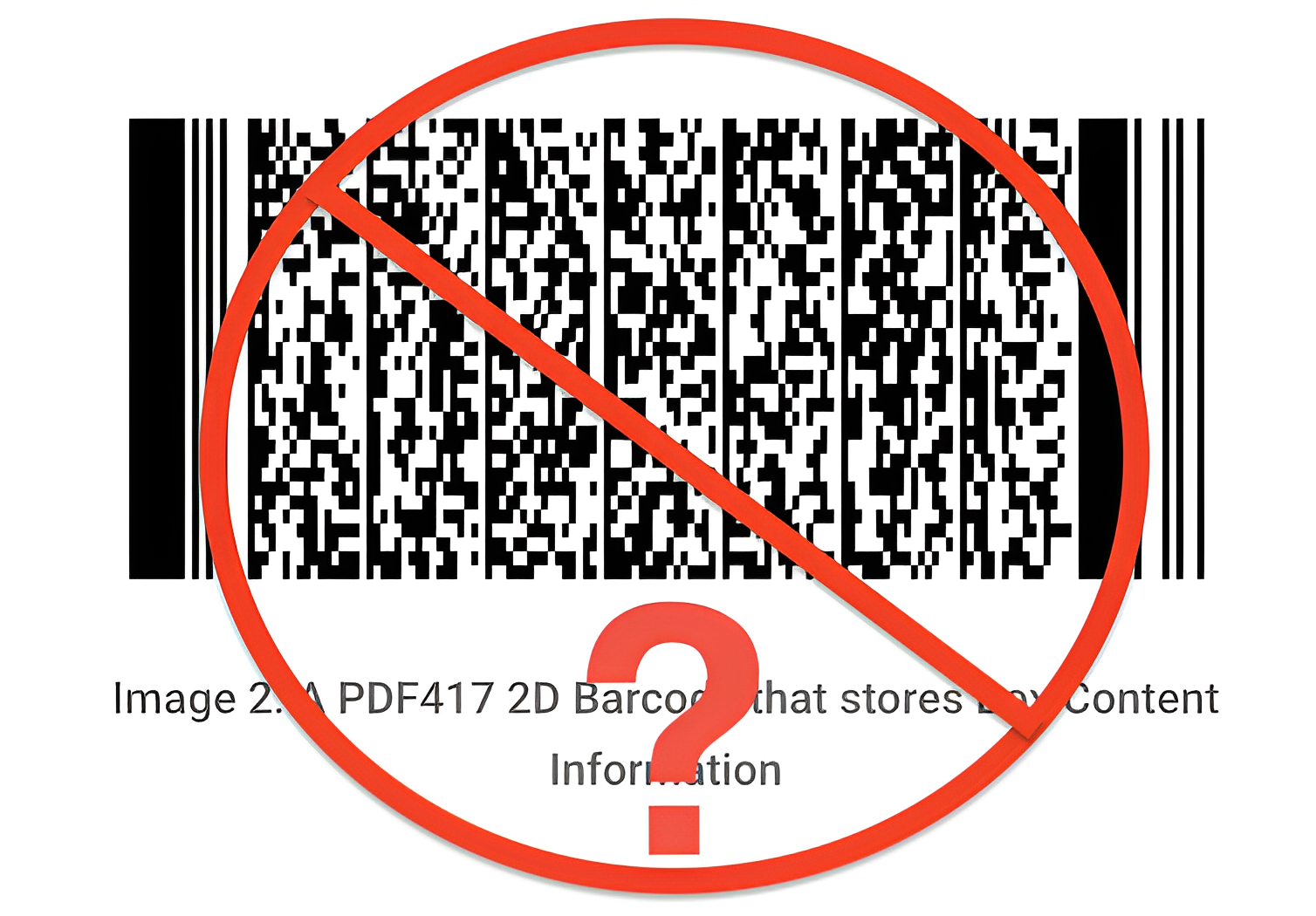
Why You Shouldn’t Use 2D Barcodes, and When You Should

Short answer: A 2D box-content barcode stores what is inside each box in a barcode on the box. Amazon offers it as an alternative to uploading box contents through Send to Amazon, a webform, or a file. Amazon’s help page warns that 2D barcodes may delay receiving. Uploading is the better default, and it flags…
· Updated -
Amazon FBA Split Shipments: 6 Ways to Save on Inbound Shipping Costs
Short answer: Amazon splits FBA shipments to place inventory across its network. You cannot turn splits off, but you choose a placement option: Amazon-optimized splits (several destinations, no fee) or minimal splits (usually one destination, for a per-unit inbound placement fee). Identical boxes, more boxes and keeping standard, oversize and special handling items in separate…
· Updated -
“Amazon Drip”: 4 Basic Tips for FBA Inbound Limits
Update, October 2026: This post describes the inbound limits Amazon used in 2020. On March 1, 2023, Amazon replaced the weekly restock limit and quarterly storage limit with a single monthly capacity limit per storage type, managed in Capacity Monitor and Capacity Manager (Amazon’s announcement). The drip-feed idea of sending in smaller, more frequent shipments…
· Updated -
Amazon IPI Score: Shattering the Myths
Short answer: Amazon’s Inventory Performance Index (IPI) is a score from 0 to 1,000, updated weekly, that combines the past three months of excess inventory, sell-through rate, stranded inventory and in-stock rate. It matters because Amazon sets FBA storage capacity limits partly from it; Amazon staff currently say a score of 400 or above helps…
· Updated